The rapid rise of GLP-1 analogs is profoundly reshaping the weight management market. Beyond their therapeutic success, these medicines are giving rise to new needs that self-care stakeholders are gradually addressing. Fibres, ingredients targeting satiety mechanisms, and support solutions for GLP-1 users: a new generation of innovations is emerging at the crossroads of pharmaceuticals, dietary supplements, and medical devices.
Epidemiology of obesity and its management
According to the World Health Organization (WHO), more than one billion people worldwide are now living with obesity.1 In Europe, nearly one out of every two adults is overweight, making weight management a major public health challenge
Against this backdrop, GLP-1 analogs have emerged as one of the most significant therapeutic breakthroughs of recent years. Originally developed for the treatment of type 2 diabetes, these drugs can achieve weight loss of up to approximately 15% of body weight2, and their widespread use is expected to accelerate further with the introduction of the first oral formulations, such as Wegovy® tablets.3
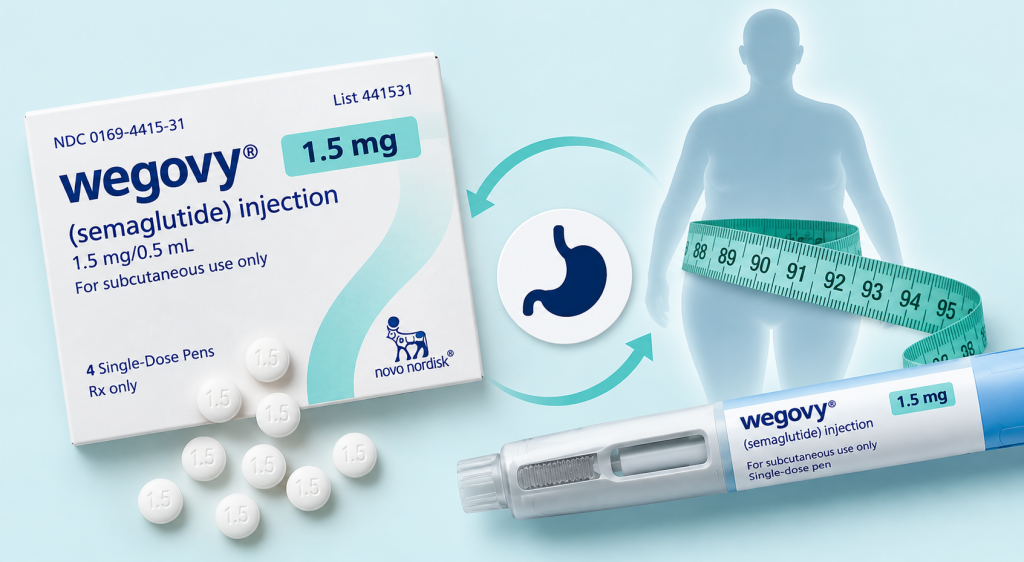
However, this revolution extends far beyond the pharmaceutical market alone. While these medications are transforming obesity management, they are also creating new challenges, including gastrointestinal side effects, loss of muscle mass, high treatment costs, and long-term weight maintenance after treatment is stopped. These emerging needs are now driving innovation across the self-care sector, with dietary supplements and medical devices increasingly being developed to address these needs.
Two major strategies are currently emerging: targeting satiety mechanisms to support weight management, and developing solutions designed to enhance the experience of GLP-1 users.
GLP-1 and weight management: new opportunities for the self-care market
The value of food supplements and medical devices lies in their ability to target the various physical and physiological mechanisms involved in the regulation of appetite, metabolism, and body composition.
Weight management: fibres return to the forefront of satiety strategies
One of the most significant developments is the renewed focus on fibres as a key lever for weight management.
Traditionally associated with improved digestive health, fibres are now increasingly valued for their ability to promote satiety and support reduced food intake. In this context, the mechanism is physical based on the functional properties of dietary fibres.
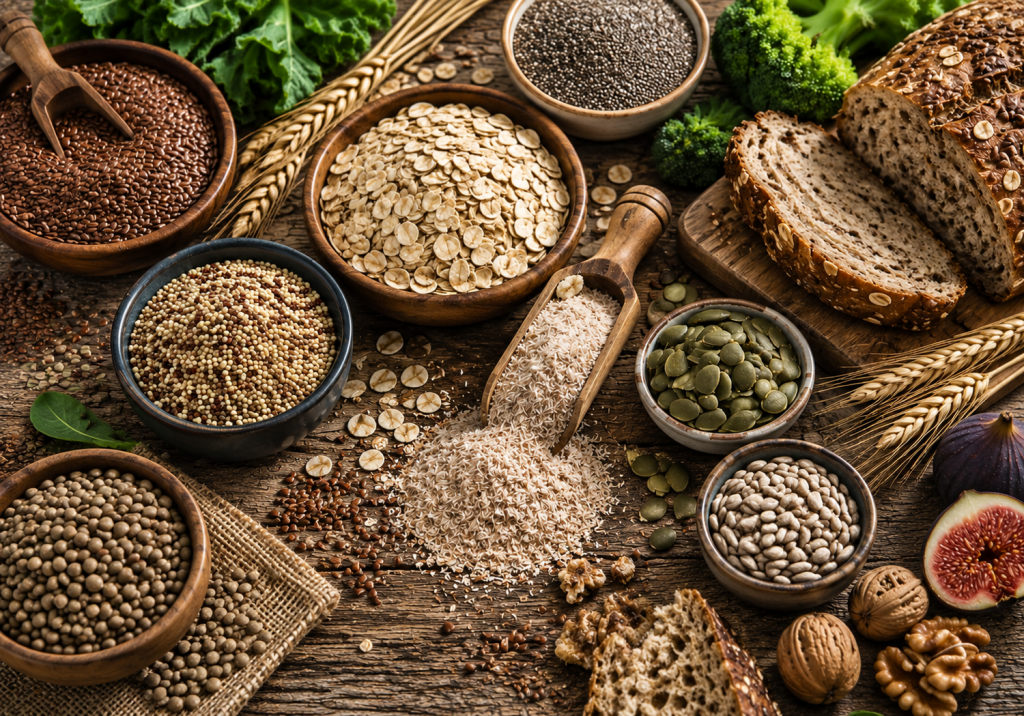
For example, Carolean™4, developed by Nexira, combines carob and nopal in a patented complex whose high gastric viscosity rapidly induces a feeling of satiety.
A similar approach has been adopted with Acti Ball®5, developed by Laboratoires Clémascience. Acti Ball® is a Class IIa medical device designed for weight management in overweight individuals. Its patented plant fibre complex works through several complementary mechanisms: it forms a “natural gastric balloon” in the stomach to promote satiety, partially limits the absorption of sugars and fats, helps smooth blood sugar peaks and reduce snacking cravings, and exerts a prebiotic effect by promoting the growth of Akkermansia muciniphila, a bacterium that increasing being studied for its role in metabolic health.
Weight management: targeting the physiological mechanisms of satiety
Beyond so-called “mechanical” approaches, several ingredients aim to target the physiological mechanisms involved in appetite regulation.
DNF-10®, a patented yeast hydrolysate developed by Fytexia6, acts on several mediators of the gut–brain axis. Clinical data have shown a reduction in ghrelin, the hormone that stimulates appetite, as well as modulation of leptin levels. Studies also report a reduction in food cravings—particularly cravings for sweet foods—together with a decrease in overall energy intake.
Other ingredients focus more specifically on glycaemic control. Pep2Dia®, developed by Ingredia7, claims a dual action: reducing the rapid absorption of carbohydrates through alpha-glucosidase inhibition while stimulating endogenous GLP-1 secretion.
Finally, some innovations target energy metabolism more directly. Slendacor® (PLT Health Solutions)8, a complex combining turmeric, moringa, and curry leaf, primarily acts by increasing energy expenditure and thermogenesis. Clinical studies have demonstrated significant reductions in body weight, body mass index (BMI), and waist circumference, without any significant loss of lean body mass.
Supporting GLP-1 users: a new generation of “companion products”
While GLP-1 therapies are opening up new therapeutic opportunities, they are also giving rise to new unmet needs.
The slowing of gastric emptying that lies at the core of their action mechanism is frequently associated with nausea, vomiting, constipation, diarrhoea, and other gastrointestinal discomforts. However, these side effects are not the only concern. The significant reduction in food intake may also lead to lower intakes of protein, essential amino acids, and micronutrients, potentially resulting in substantial loss of muscle mass.
As a result, a new category of solutions—commonly referred to as GLP-1 companion products—has emerged to address these challenges. Their purpose is to support patients throughout their treatment by improving digestive comfort, preserving nutritional status, and mitigating the impact of rapid weight loss on body composition.
Recent repositioning of creatine: a perfect fit in the GLP-1 era
Long associated with sports nutrition, creatine is now being investigated for its potential to preserve muscle mass in individuals undergoing GLP-1 therapy. Several suppliers – including Creapure® (Alzchem), OptiCreatine™ (TSI Group), QURA® Creatine, and CreaVida™ – are now highlighting this application, illustrating the expanding role of creatine well beyond just sports performance.
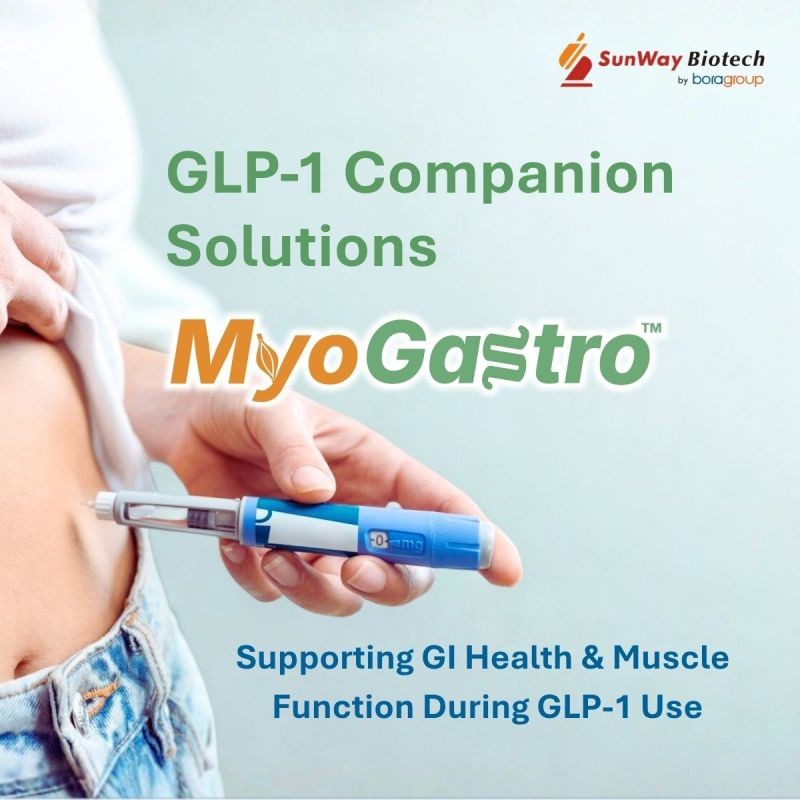
This trend is also driving the development of more comprehensive formulations. For example, MyoGastro™ (SunWay Biotech)9 combines several ingredients specifically designed to address the digestive, nutritional, and muscle-related challenges experienced by individuals undergoing GLP-1 therapy.
Beyond GLP-1: is long-term weight maintenance the next challenge for the self-care market?
Another question is now attracting growing attention from researchers: what happens after treatment is stopped?

Available data indicate that approximately one in two patients stops treatment within the first year, primarily due to treatment costs or gastrointestinal side effects.10 The SURMOUNT-4 study11, published in the Journal of the American Medical Association (JAMA), notably showed that patients regained, on average, nearly 14% of their body weight after stopping tirzepatide.
During the conference Beyond the Injection: Microbiome, GLP-1 and the New Reality of Weight Management, presented at Vitafoods Europe 2026, Professor Kieran Tuohy (School of Food Science & Nutrition, University of Leeds) highlighted that a new challenge is emerging following the stopping of GLP-1 treatments. He described this transition period as a true “biological bridge“, during which the body does not simply return to its initial physiological state. During this phase, certain mechanisms involved in the regulation of appetite and metabolism could be supported through appropriate nutritional approaches.
From this perspective, prebiotic fibres are once again taking centre stage. Inulin-type fructans are among the best-documented examples. Research by Delzenne, Cani and Ducastel12 has shown that they promote the growth of beneficial bacteria such as Bifidobacterium and Akkermansia, increase the production of short-chain fatty acids (SCFAs), and stimulate intestinal L cells, thereby contributing to an increase in endogenous GLP-1 production.
Polyphenols represent another potentially promising area of research. A study published by Haldar and colleagues in the European Journal of Nutrition demonstrated that a meal rich in spices and polyphenols significantly increased postprandial GLP-1 concentrations in healthy subjects.13
Although these approaches remain exploratory, they illustrate the ongoing evolution of weight management strategies.
Key takeaways
The rapid adoption of GLP-1 therapies is fundamentally reshaping the weight management market. For self-care stakeholders, the challenge is not to compete with prescription drugs, but rather to address the new needs these therapies are creating.
Current innovations are centred around three main areas:
- Promoting satiety through mechanical or physiological approaches;
- Supporting GLP-1 users by reducing side effects and preserving muscle mass;
- Preparing for the post-treatment phase by supporting the biological mechanisms involved in long-term weight maintenance.
This evolution is paving the way for a new generation of solutions, in which food supplements, medical devices, and pharmaceutical therapies are gradually becoming complementary.
To learn more
Weight management in the era of GLP-1 therapies is just one of the major innovation areas explored in our Vitafoods Europe 2026 Strategic Report.
This comprehensive report, spanning more than 100 pages, also provides an in-depth analysis of eight other key self-care and nutraceutical categories, along with several cross-cutting trends that are currently reshaping the market.
Interested in finding out more?
Discover our Vitafoods Europe 2026 Strategic Report.
At BOTANIBRANDS, we support self-care and nutraceutical companies throughout their innovation projects by providing:
- Identification of differentiated ingredients, technologies, and product concepts
- Strategic intelligence and market trend analysis
- Scientific and regulatory support
- Formulation, sourcing, and market launch of high value-added solutions
Would you like to discuss a project or explore new innovation opportunities?
Get in touch with the BOTANIBRANDS team!
Sources:
[1] https://www.who.int/fr/news/item/01-12-2025-who-issues-global-guideline-on-the-use-of-glp-1-medicines-in-treating-obesity
[2] Ojeniran, M., Dube, B., Paige, A., Ton, J., & Lindblad, A. J. (2021). Semaglutide for weight loss. Canadian Family Physician, 67(11), 842. https://doi.org/10.46747/cfp.6711842
[3] https://www.novonordisk.com/content/nncorp/global/en/news-and-media/news-and-ir-materials/news-details.html?id=916472
[4] https://www.nexira.com/fr/brand/carolean-controle-appetit/
[5] https://pomeol.fr/products/dispositif-medical-ballon-gastrique-naturel-perte-de-poids-acti-ball?srsltid=AfmBOoqUE7CvWj0d4KwUfZr9W-aNVRaXtkoXLQLvTGONzP_aNhqmGpRY
[6] https://www.biotexia.com/en/dietary-supplements/metabolic-health/dnf-10-peptides-for-appetite-control/
[7] https://ingredia-health.fr/humain/gestion-de-la-glycemie/
[8] https://www.plthealth.com/product-catalog/slendacor
[9] https://www.innovationsolution.org/myogastro-coming-soon/
[10] Beyond the Injection: Microbiome, GLP-1 and the New Reality of Weight Management, conference Vitafoods 2026 présentée par le Pr Kieran Tuohy (School of Food Science & Nutrition, University of Leeds)
[11] Aronne et al (2024). Continued treatment with tirzepatide for maintenance of weight reduction in adults with obesity: The SURMOUNT-4 randomized clinical trial. JAMA, 331(1), 38–48. https://doi.org/10.1001/jama.2023.24945
[12] Cani, P. D., & Delzenne, N. M. (2009). The role of the gut microbiota in energy metabolism and metabolic disease. Current Pharmaceutical Design, 15(13), 1546–1558. https://doi.org/10.2174/138161209788168164
[13] Haldar, S., Lee, S. H., Tan, J. J., Chia, S. C., Henry, C. J. C., & Chan, E. C. Y. (2018). Dose-dependent increase in unconjugated cinnamic acid concentration in plasma following acute consumption of polyphenol rich curry in the Polyspice study. Nutrients, 10(7), Article 934. https://doi.org/10.3390/nu10070934