Tag: medical devices

Selfcare innovation: in-licensing or custom-made? How to choose the best strategy for your brand?

In a constantly evolving selfcare market, brands must be quick to react and keep up with regulatory changes while staying in tune with consumer trends and expectations. Nurturing and guiding a strong innovation pipeline proves is key to reconciling these challenges and ensuring long term brand performance. There are two main ways to achieve this: in-licensing, and customised development. How do in-licensing and “from scratch” development complement each other to strengthen a brand’s innovation strategy?

The vitality of the selfcare market is reflected in the sheer number of launches: 1,600 new food supplements hit French pharmacy shelves in 2023, accounting for more than two thirds of first-aid innovations, a category that includes products accessible without prescription (source: Nérès)1.

Selfcare: the race for innovation

Since 2014, innovation in food supplements has increased by +176%, while medical devices still accounted for 68% of new products launched in 2023. This acceleration reflects both the need for brands to remain competitive and the need to meet consumer expectations, while evolving within a demanding regulatory framework. A complex equation which, when it becomes strained, forces players to rethink their approach – as the Boiron case showed after homeopathy was delisted from reimbursements in January 2021.

Adapting and innovating in selfcare in the face of regulatory disruptions

Boiron: a strategic rebound through innovation

The Boiron case illustrates how a historic brand can turn a major constraint into a lever for innovation. The discontinuation of reimbursement of homeopathy in France led to a drastic decline in sales of Homeopathy with Common Name (HNC). In this new regulatory context, the company launched, under the impetus of its new CEO Pascal Houdayer, a strategy giving a central place to innovation. This approach opens new development prospects for Boiron, notably based on the exploration of high-growth categories such as food supplements.

It is within this context Oscillo’ has been launched, a range that aims to be“Simple, practical and designed to support both children and adults throughout the seasons.”2 With Oscillo’, Boiron expanding into the most dynamic food supplement categories, targeting two particularly promising segments: immunity and vitality.
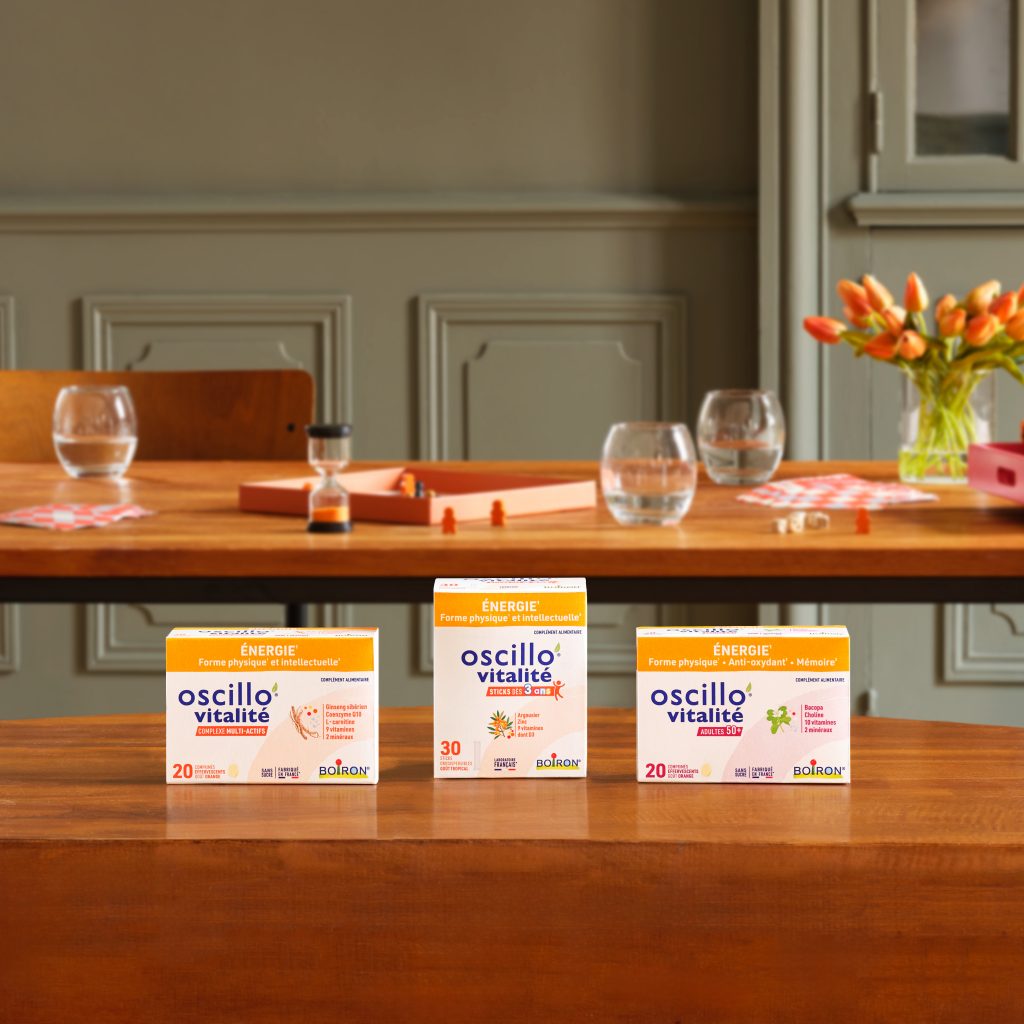
Boiron Oscillo product range – 2025

The laboratory has also initiated a reflection on dosage forms: bilayer tablets, orodispersible sticks, effervescent tablets… practical formats, easy to use and designed to promote adherence (to go further on this topic: Galenic innovation: the value of reconciling efficacy and pleasure in dietary supplements). These products combine naturally sourced active ingredients, vitamins, minerals, and plant extracts, in line with Boiron’s shift toward a broader natural health offering.

Weleda: a deep transformation in the world of selfcare

Another iconic selfcare case is Weleda. A major player in natural and organic health and cosmetics, the group had to contend with the rising number of competitors in natural cosmetics and the delisting of certain homeopathic medicines. However, in 2023, Weleda France marked a recovery in growth, a rebound largely driven by the launch of 27 innovations, notably in facial care and anti-wrinkle products, as well as a notable breakthrough in natural and organic deodorants, where Weleda reached 35% value market share3. The brand thus confirms its ability to spot trends, innovate quickly and adapt its product portfolios.

Weleda is also undergoing a deep transformation. In her interview with Premium Beauty News (2025)4, its CEO Tina Müller explains: “We have transformed our organisation as much as possible to become an agilty driven and digitalised organisation.” She also highlights changing consumer behaviour: “We are seeing a boom in the food supplement market; this trend toward inner and outer beauty is present almost everywhere in the world. […] The premium market is experiencing tremendous growth, driven by the underlying trend of longevity.”

These statements resonate particularly with the new dynamics of selfcare: the emergence of in & out solutions, the growth of the longevity sector and the growing need for hybrid products combining beauty, health and naturalness. Weleda is fully aligned with these movements with the launch of premium ranges such as Blue Gentian & Edelweiss or Cell Longevity, natural cosmetics formulated around a plant-based NAD⁺ booster to act on cellular longevity and the visible signs of skin ageing.
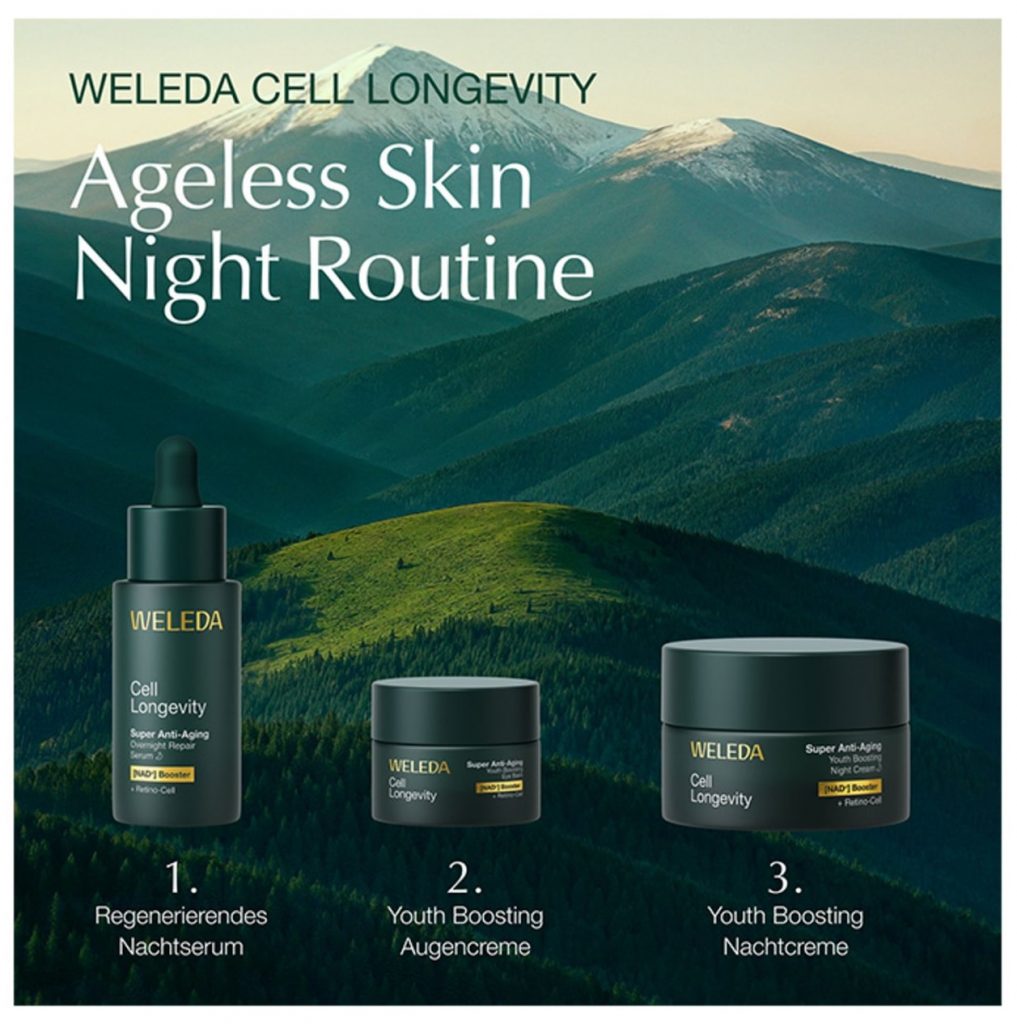
Cell Longevity natural cosmetics product range

Arkopharma: ongoing innovation and product dynamism

A specialist in herbal medicine and natural health, Arkopharma illustrates another model of product dynamism. In an interview given to Actif Mag (No. 91, 2025)5, Aurélie Guyoux, Research and Development Director, indicates that the company launches more than 20 new products per year in pharmacies, continuously strengthening its plant-based health product range.
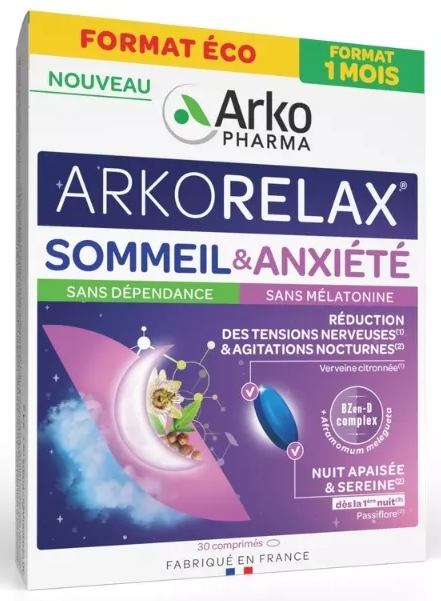
Arkorelax® Sleep & Anxiety (launched in September 2025). Formulated with a patented lemon verbena extract.

In-licensing & customised development: two strategies to innovate

Innovation is not occasional but structural: it constitutes the very foundation of competitiveness in natural health. It enables brands to move forward and adapt in an increasingly demanding regulatory environment, while responding to rapidly changing consumer expectations: more proven efficacy, scientific soundness and safety guarantees. More than just a growth lever, innovation reflects the brands’ DNA and agility, their ability to remain credible, distinctive and sustainable over time.

In this context, one question springs to mind: how can we innovate effectively while combining speed and differentiation? Between ready-to-market solutions via in-licensing and custom developments, these approaches are now proving to be complementary in building high-performing, value-creating portfolios over the long term.

In-licensing: gaining speed and agility

In-licensing is emerging as a key lever for accelerating innovation and strengthening brand agility. It enables brands to reduce time-to-market, effectively complement in-house R&D capabilities and quickly enrich their portfolio with products already developed and already proven in other territories. Based on a rigorous due diligence process – scientific, technical, regulatory and business – in-licensing makes it possible to integrate high value-added solutions while managing financial and operational risks.

The main advantages of in-licensing:

  • Faster access to market, based on already developed solutions complementarity with in-house R&D strengths, without undermining from-scratch innovation capacities
  • Complementarity with internal R&D strengths, without cannibalising in-house, from-scratch innovation capabilities
  • Rapid portfolio expansion, through products that have demonstrated performance in other geographical areas
  • Opening to new territories, through the acquisition of marketing rights
  • Reduced financial and technical risks, compared to complete in-house developments

The specific case of medical devices and in-licensing

This relevance of in-licensing is even more pronounced for medical devices, in a regulatory context deeply transformed by the entry into force of Regulation (EU) 2017/745 on medical devices (MDR – Medical Device Regulation), which replaced the former MDD directive.

Under the MDD, launching a medical device was largely based on existing scientific literature and notified bodies validated CE marking through pathways that were less strict than today. It was within this framework that certain industrial players have been able to build extensive portfolios of medical devices, now offered to brands on a licensing or distribution basis.

With the MDR, requirements have changed significantly: more rigourous clinical data, enhanced performance demonstration, increased requirements for risk management and post-market monitoring. In practice, developing a medical device “from scratch” now involves lead times often exceeding two years and significant investments, depending on the device class.

In this context, in-licensing appears as a major strategic lever, enabling brands to access medical devices that are already MDR-compliant, with strong clinical data and secure CE marking, while limiting regulatory, financial and operational risks.

From scratch: customised innovation

Customised development in selfcare is a preferred path for brands wishing to go further in differentiating themselves and in expressing their identity. Unlike in-licensing, where the product and its supporting documentation are by nature already structured, this approach offers total freedom of design, making it possible to shape a solution perfectly aligned with the brand’s DNA. The product is not set in stone: it evolves throughout the development process, through scientific, marketing and sensory considerations, to produce a truly custom-made creation.

The main advantages of from-scratch development:

  • Full expression of brand DNA: the ability to bring a distinctive touch, both in terms of substance and in the form of the product.
  • Expert and differentiating formulation: a refined physiopathological approach, selection of active ingredients and adjustment of dosages.
  • Integration of market insights and consumer experience: joint work on sensoriality, user satisfaction and perceived effectiveness, promoting long-term compliance and adherence.
  • Galenic and organoleptic freedom: choice of formats, textures, tastes and smells, enabling the creation of true signature products – such as the iconic scent of immediately recognisable Mustela baby products.
  • Control over the level of proof and reassurance: free choice of ingredient suppliers, active ingredients and supply chains, possibility to integrate dedicated clinical or consumer studies, as well as additional analyses guaranteeing quality, traceability and safety of ingredients and raw materials for more information on this topic: Plant-based food supplements: how can a brand secure and enhance its offering?)

Even if development timelines are longer, this approach, particularly suited to food supplements, makes it possible to build unique products, rooted in the brand’s identity and providing long-lasting differentiation.

BOTANIBRANDS, partner of selfcare brands fueling innovation

In an environment where innovation must be both fast, credible and differentiating, BOTANIBRANDS supports brands at every stage of their development, enhancing their portfolios with high value-added innovations.

Whether through in-licensing solutions or through “from scratch” developments, BOTANIBRANDS acts as a true strategic partner, capable of adapting its approach to the challenges, ambitions and DNA of each brand.

BOTANIBRANDS’ proposals from in-licensing and from scratch:

  • ready-to-market in-licensing solutions (medical devices, food supplements), selected for their level of innovation, performance and market suitability;
  • customised support from A to Z for from-scratch development projects, drawing on regulatory, scientific, industrial and marketing expertise;
  • carrying out in-depth due diligences on in-licensing opportunities, to ensure their scientific, technical, regulatory and business content before any decision is made;
  • access to a European network of industrial and business partners, offering technical, regulatory and international opportunities.

Already chosen by many selfcare brands in France and in Europe, BOTANIBRANDS positions itself as an innovation catalyst, delivering high-performing, differentiating and sustainable portfolios.

Want to accelerate or structure your selfcare innovation strategy?

Contact us!

Sources :

  1. Baromètre NèreS des produits de santé et de prévention de 1er recours 2023
  2. https://www.boiron.fr/nos-produits/oscillo
  3. Gers, part de marché valeur, déodorants naturels et bio, année 2023, pharma + parapharmacies
  4. Premium Beauty News « Nous visons un milliard d’euros de chiffre d’affaires », Tina Müller, Weleda – de Kacey Culliney
  5. Arkopharma, au coeur du végétal pour une effcacité ciblée – Actif’s mag numéro 91

Cough & Cold: the category that breathes innovation

Driven by record growth in Europe, the Cough & Cold category is positioning itself as an innovation laboratory for natural healthcare. Brands are competing to be creative with new formulations and technologies, enhanced sensory experiences, and formulas enriched with natural active ingredients. Their product ranges are expanding and becoming more structured to meet all needs related to throat, nose, and respiratory tract well-being.

According to the 2023 Barometer of Primary Care Health and Prevention Products in Pharmacies, published by the Nères association in partnership with OpenHealth Company1, the respiratory system category continues its strong momentum in primary care (in France). In 2023, over-the-counter medicines in the respiratory segment generated 445 million euros, a 16% increase compared with 2019, while the equivalent category for food supplements showed an even more pronounced growth: +13.5% vs 2022 and +47.3% vs 2019. These results illustrate the growing interest of French consumers in prevention and relief products for winter ailments – coughs, colds, sore throats, and minor ENT issues – now central to self-medication practices.

“Greenification” in Cough & Cold: when long-standing brands turn green

Like many other segments in the self-care market, the Cough & Cold category is not immune to the “greenification” trend — this shift toward greener positioning that reflects consumers’ increasing demand for more natural and “reassuring” products. Some long-standing brands have chosen to respond to this expectation while capitalising on reputation. Their strategy: to develop, alongside their traditional products, more natural complementary product ranges, often positioned at the crossroads between medical devices and food supplements (see also our article Selfcare: medical devices and food supplements – a win-win combination).

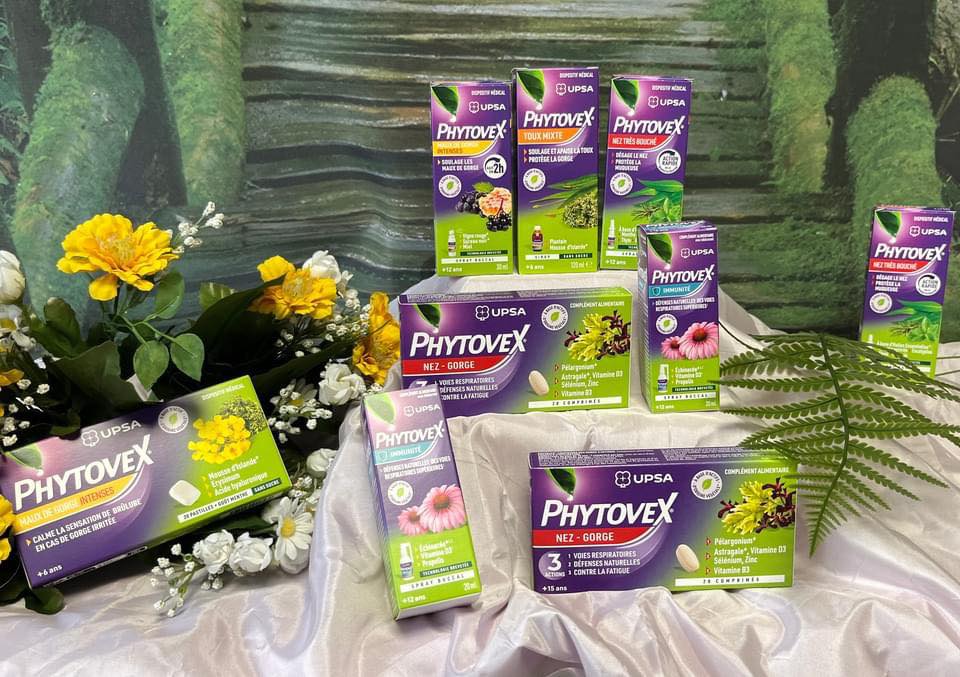
With Fervex and Phytovex, UPSA perfectly illustrates the “green” shift taking place in the Cough & Cold category. A long-standing brand for relieving winter symptoms, Fervex embodies UPSA’s scientific expertise and pharmaceutical reliability.2

Phytovex, its “natural counterpart,” extends this approach with a range of four medical devices (nasal spray, syrup, throat spray, and lozenges) made with plant-based active ingredients and built around a clear promise: combining science and nature.

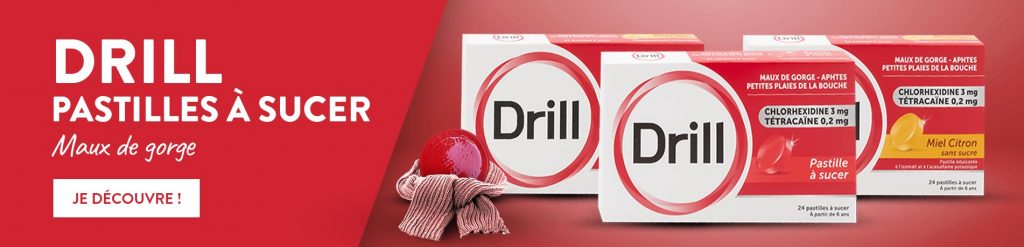
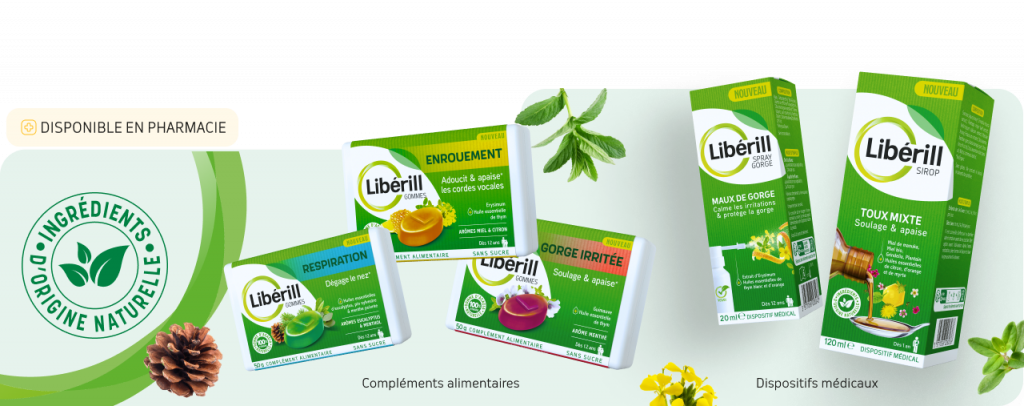
The same logic applies at Pierre Fabre. The Drill brand is based on synthetic compounds (chlorhexidine, tetracaine), used to combat local infection and relieve pain. Alongside it, the company launched Libérill in 2024, a complete product range made with natural-origin ingredients: three food supplements formulated with acacia gum, and two medical devices (a spray and a syrup).3

We can also note the evolution in packaging reflecting the respective positioning of the two ranges: from Drill’s pharmaceutical red to Libérill’s green, plant-inspired universe.

Synergy between medical devices and food supplements

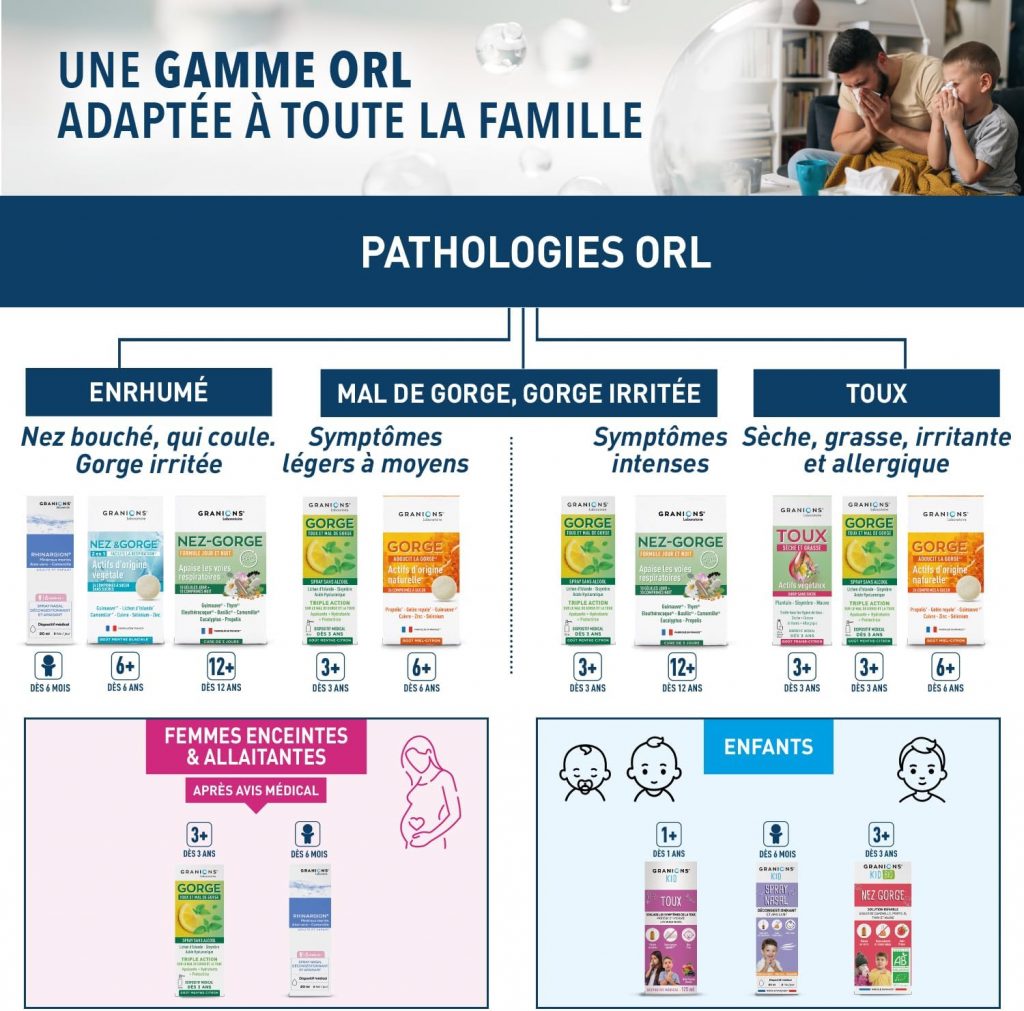
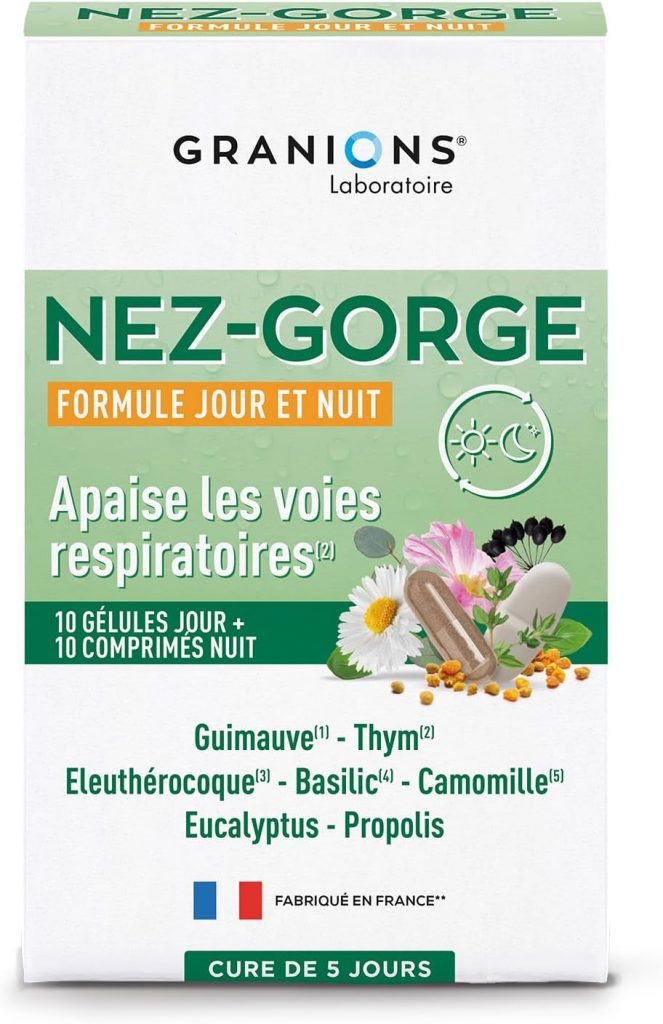
The Granions brand perfectly illustrates this complementarity between regulatory statuses.4 Its product range dedicated to winter ailments combines medical devices and food supplements for an offer designed to address the full spectrum of Cough & Cold conditions.

From the Rhinargion Rhume spray, formulated to decongest nasal passages from six months of age, to the Nez & Gorge (Nose & Throat) and Honey–Lemon throat tablets made with plant-based active ingredients (marshmallow, Iceland moss, propolis, chamomile, thyme, etc.), each product targets a specific ailment: stuffed nose, cough, irritated or hoarse throat. The product range stands out for its comprehensive structure, able to address all winter symptoms and all consumer profiles, from children to adults. This interplay of complementary products makes it possible to offer, under a single umbrella brand, an approach that is both cure-based – through medical devices – and preventive – through food supplements – depending on consumer needs.

Innovating to stand out

As in many dietary supplement categories, the abundance of the Cough & Cold products on the market means that manufacturers need to differentiate themselves. This differentiation can take several forms: an original positioning on indications, innovative galenics, technologies designed to optimise the effectiveness of active ingredients, or distinctive formulation choices featuring “star” ingredients.

Between throat, nose, and cough: the positioning game

In terms of indications and positioning, the category is broadly divided into two types of claims for oral products: so-called “simple” claims, focused on the throat, breathing/nose, or cough, and “combined” claims, which combine, for example, throat + nose or throat + respiratory.
For the simple claims, there is a wide range of promises linked to throat comfort – soothing, calming, relieving irritation – as well as more specific targets, such as the vocal cords. For products focused on breathing, the benefits place greater emphasis on clearing the airways, often supported by the repeated use of essential oils, particularly eucalyptus or pine.

Finally, certain formulas with “combined” claims go further by bringing together multiple benefits, such as Granions’ Nez & Gorge  (Nose & Throat) with its day/night claims.5 The daytime formula combines marshmallow for its soothing effect on the throat with vitamins C and D3 to support the immune system. The nighttime formula, made with chamomile and holy basil, aims to improve respiratory comfort while promoting more restful sleep.

Increasingly expert formulations

Beyond claims and positioning, product composition has become a key lever of  differentiation in the Cough & Cold market.

On the medical device side, we mainly find ingredients with a mechanical mode of action, designed to protect, lubricate, or soothe the mucous membranes. This is the case with ectoïne, a natural molecule derived from halophilic micro-organisms, known for its ability to stabilise cell membranes and form a protective barrier against irritants. Another example is the Mucobarryl® Plus complex (Cooper)6, which combines larch bark and Iceland moss for a muco-regulating and anti-inflammatory action. These products aim to mechanically relieve the throat or respiratory tract by forming a protective film or by limiting mucosal dehydration, providing lubricating and anti-irritation benefits.

Food supplements, on the other hand, favour a more nutritional approach, featuring a wide variety of plant extracts with recognised properties: marshmallow, sage, chamomile, elderberry, erysimum… To this are added essential oils (eucalyptus, peppermint, sweet orange, etc.), essential products in this category that play a major role in formulas designed to support easier breathing.

Another recurring pillar is the use of vitamins and minerals, which give products an additional immune-supporting dimension (vitamins C and D3, zinc, copper, selenium). Finally, beehive products play an important role, with propolis and royal jelly, but also honey, often used for its soothing properties and natural image.

Among the market’s “signature” ingredients, Manuka honey frequently appears in formulations thanks to its soothing and antibacterial properties, linked to its methylglyoxal (MGO) content — measured using the UMF/IAA index. It can be found, for example, in Herbesan throat lozenges made with Manuka honey IAA 10+.7

But this rare honey is also one of the most prone to fraud. A recent study (Wu et al., 2023, Food Control)8 revealed how often Manuka honey is adulterated with common honeys, highlighting the need for reinforced analytical control. This is why many brands today choose to showcase their ingredients by demonstrating their quality through specific analytical tests (for more on this topic, see our article Plant-based dietary supplements: How can a brand secure and enhance its offering?).

Moreover, the “sugar-free” claim is emerging as an additional nutritional argument. However, this promise does not exclude the use of sweeteners in certain formulations, while others retain a natural source of sweetness through honey.

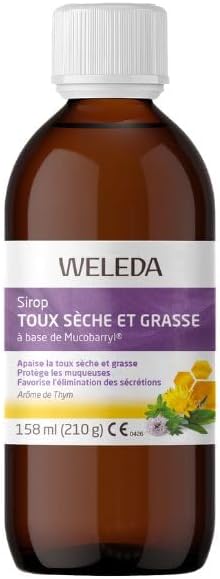
Weleda, with its Sirop Toux Sèche et Grasse (Dry and congested Cough Syrup) medical product, is also aligned with a clean-label approach, featuring a formulation designed to be preservative-free – a notable technical choice and one rarely seen among syrups in the natural health market. The product also claims “100% natural-origin active ingredients,” a strong argument for consumers who increasingly seek naturalness and transparency in everyday health products.

New generation technologies

The Cough & Cold segment is seeing the emergence of a new generation of patented mechanical technologies designed to enhance throat comfort and protect irritated mucous membranes. Developed by innovative manufacturers, these solutions rely on a biomimetic approach: they allow the formulation to adhere directly to the mucous membranes, creating a protective film that acts as a physical barrier against irritants.
This cutting-edge technology, presented a few months ago at Vitafoods 2025, can be integrated into various dosage forms (lozenges, tablets, sprays) and adapted to several respiratory or ENT indications. By mimicking the natural defense mechanisms of the respiratory tract, it claims to provide immediate soothing action while optimising product performance and stability.

Galenics, as a driver of innovation and sensory experience

The galenic form has become a true differentiating factor in the Cough & Cold segment, to enhance both effectiveness and to enrich the consumer experience.

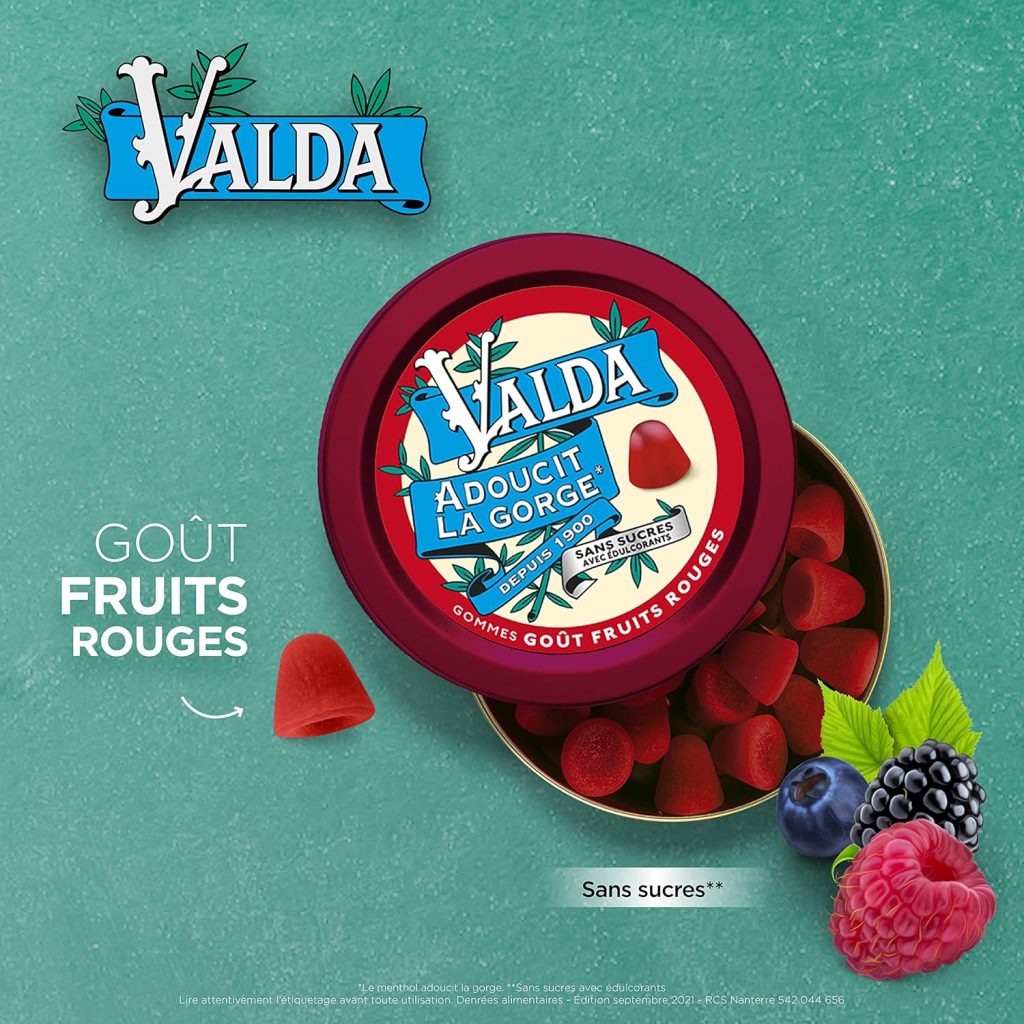
Some brands are betting on made over traditional formats, such as the iconic Valda lozenges (Perrigo)9, formulated with acacia gum – a natural coating agent with soothing and film-forming properties that soothes the throat while promoting salivation.

This ingredient perfectly embodies the trend toward more natural and functional galenics (see our article Acacia gum and gummies: the story of a beautiful encounter).

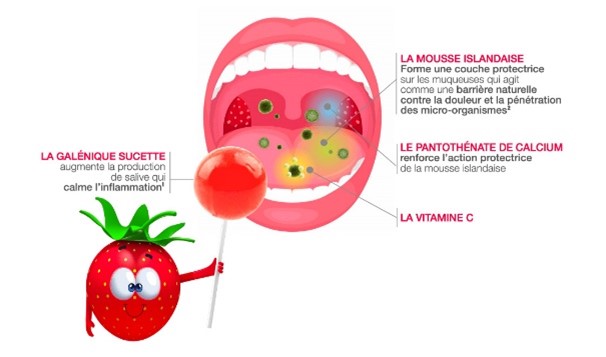
For children, some products explore playful formats, such as the Junior-Angin lollipops (Melisana Pharma).10 These products leverage an active galenic: lollipops stimulate saliva production and promote a mechanical action of hydration and protection of the mucous membranes, enhanced by Iceland moss and calcium pantothenate.

Sensory pleasure also plays a key role in this category, where products are often kept in the mouth for an extended period. This is precisely the advantage of liquid-centre lozenges such as Oropolis® (Vicks), which gradually release a liquid centre that coats the throat with a protective layer.

Finally, some manufacturers are innovating with orodispersible forms that combine an immediate slightly effervescent melting effect. This specific texture promotes rapid release of active ingredients directly into the oral cavity, thereby improving their absorption and effectiveness. Convenient and suitable for all types of users — especially those who cannot always take water — these forms support better compliance and optimised bioavailability, notably by reducing hepatic degradation of active ingredients. This technology is increasingly appealing to companies seeking to combine ease of use with enhanced absorption performance (see also our article Galenic innovation: the importance of combining effectiveness and pleasure in food supplements).

BOTANIBRANDS, your expert partner in the Cough & Cold market segment

A fast-growing category, Cough & Cold still offers strong innovation potential. BOTANIBRANDS supports brands wishing to strengthen their position in this segment — from strategy through to market launch.

Strategic marketing & market insights

In partnership with Nicholas Hall Group, a leading consultancy and strategy firm in the self-care market, BOTANIBRANDS helps brands analyse their competitive environment and identify the best innovation opportunities.

Thanks to the CHC New Products Tracker of the Nicholas Hall Group – a true global database dedicated to innovation in consumer healthcare – brands can track new launches, product line extensions, and reformulations, and analyse competitive dynamics by market or category. This exclusive tool makes it possible to identify emerging trends and pinpoint the best development opportunities in the self-care market.

To learn more, discover our exclusive interview with David Redford, OTC Insights expert, on key innovations in the Cough & Cold segment and on the CHC New Products Tracker, a unique tool for monitoring launches in the consumer healthcare market.

In partnership with BOTANIBRANDS, you can benefit from personalised support to explore insights from this platform and guide your innovation strategies.

Take advantage of a 20% discount and contact us to learn more about this exclusive analytical service.

Turnkey and customised solutions

In a category as dynamic as Cough & Cold – where innovation and differentiation are essential – BOTANIBRANDS supports brands in developing high value-added solutions in line with market expectations.

We operate across three complementary areas:

  • Ready-to-market innovation: identifying product opportunities that are already developed and immediately adaptable to your target market.
  • Customised innovation: designing and formulating differentiated solutions based on sound scientific data, through to regulatory validation and market launch.
  • Technical and regulatory due diligence: in-depth evaluation of your in-licensing projects, integrating scientific, technical, regulatory, and marketing aspects.

Innovation & industrial partnerships

Thanks to our European network of partners, BOTANIBRANDS connects brands with manufacturers and suppliers offering patented technologies or exclusive galenic solutions, helping accelerate and differentiate product development.

Want to make a difference in the Cough & Cold market?

Contact us!

Sources :

  1. Baromètre 2023 des produits de santé et de prévention de premier recours en pharmacie, publié par l’association Nères en partenariat avec OpenHealth Company
  2. https://www.upsa-nosproduits.com/gamme-phytovex/
  3. https://www.liberill.fr
  4. https://www.granions.fr/granions-nez-gorge.html
  5. https://www.granions.fr/granions-nez-gorge.html
  6. https://gamme.clariver.fr/bienfaits-nature-hiver/solution-naturelle-toux-mal-gorge/
  7. https://herbesan.fr/products/pastilles-gorge-irritee-miel-de-manuka
  8. Wu, M., Zhu, L., Zhang, J., Huang, J., & Xu, Y. (2023). Adulteration quantification of cheap honey in high-quality Manuka honey by two-dimensional correlation spectroscopy combined with deep learning. Food Control, 149, 109681. https://doi.org/10.1016/j.foodcont.2023.109681
  9. https://www.perrigo.fr/nos-produits-de-soin-pour-la-gorge
  10. https://melisanapharma.fr/junior-angin.html

Selfcare: medical devices and food supplements – a win-win combination

Selfcare, also called self-medication, has transformed healthcare habits: the patient-consumers now seek information, compare products and make choices. In pharmacies, medical devices and food supplements are displayed side by side, sometimes for common indications (sore throat, digestion, skin, weight management), yet they aren’t based on the same mechanisms of action or the same intended purpose. However, this product combination can become a winning strategy: complementary responses for consumers, and an effective high-performing product range for selfcare brands.

Since the COVID pandemic in 2019, taking care of one’s health and well-being proactively (and preventively) has become an integral part of everyday life, a form of responsible self-medication now firmly embedded in health behaviour.

The success of the selfcare market in a few figures

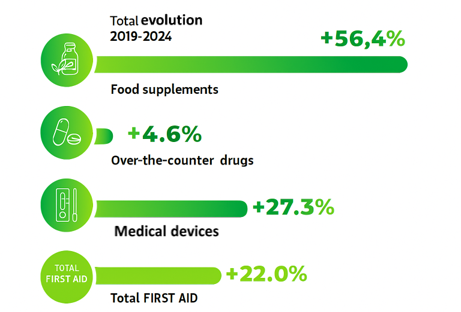
According to NèreS (formerly AFIPA), the selfcare market includes first-line products, that is, non-prescription medicines, food supplements, and medical devices available in pharmacies. Between 2019 and 2024, the sector recorded overall growth of +22%, driven by an increase in the number of visits to the pharmacy (in France): 340 million in 2024, compared with 297 million in 2020.1 The COVID-19 pandemic acted as a catalyst, leading many French people to turn to their pharmacist as their primary healthcare provider for supervised self-medication.

More specifically, food supplements recorded the most significant growth +56.4%, followed by consumer medical devices, up +27.3%, while non-prescription medicines posted more moderate growth of +4.6%.

Chart 1 – NèreS Barometer 2024:
Evolution of first-line health products between 2019 and 2024

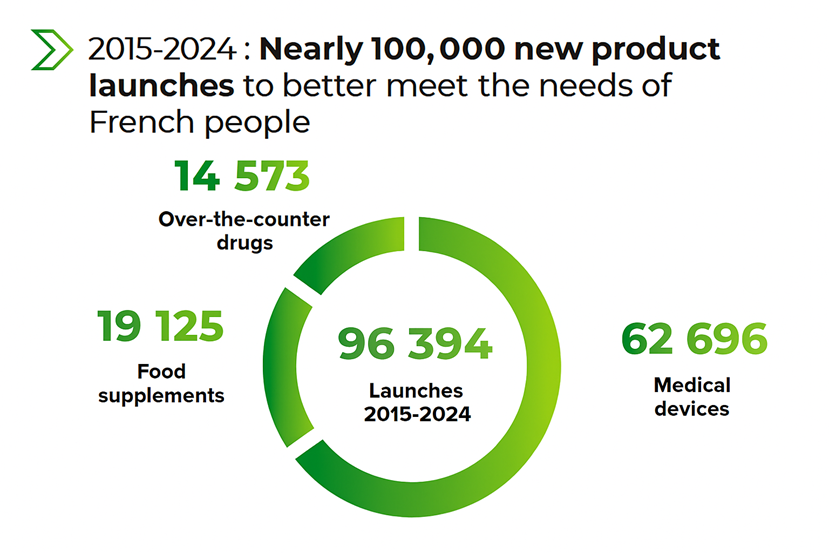
It should be noted that medical devices now represent the majority of launches over the past five years, confirming the dynamism of this product segment within the selfcare product range offering.

Chart 2 – NèreS Barometer 2024:
New first-line product launches between 2015 and 2024

The main health concerns are focused on sleep and stress (+8.7%), vitality (+4.9%) and the digestive system (+4.5%), needs that reflect everyday priorities.1

Food supplements and medical devices: two regulatory frameworks, a complementary role in selfcare

These leading categories in selfcare are nonetheless competitors in different disciplines, subject to distinct rules and regulations. 

Under European law, a food supplement is a foodstuff presented in doses that has a nutritional or physiological effect and is intended to supplement a normal diet.2 Its claims are strictly regulated: it may make nutritional or health claims, such as “contributes to…”, but may not make medical claims such as preventing or treating a disease.3

In France, its first marketing authorisation is obtained through a teledeclaration procedure (Compl’Alim), with no systematic third-party assessment prior to marketing. The manufacturer remains fully responsible for compliance.4

A medical device, on the other hand, belongs to the field of health products. It is intended formedical purposes,  such as preventing, diagnosing, treating or alleviating a disease or injury, but its principal mode of action is not pharmacological: it is mechanical or physical (forming a protective film, lubricating, adsorbing, creating an anti-reflux barrier, etc.).5 Its claims are medical claims and must be fully consistent with the intended use. In terms of evidence, the rule is clear: a clinical evaluation is required, proportionate to the device’s risk category (see box below).6 7

Marketing is achieved by obtaining CE marking, following a conformity assessment by a Notified Body (for the majority of medical devices, except most Class I devices, where self-certification is sufficient). This marking, which is valid throughout Europe, is a guarantee of the product’s safety and clinical performance, allowing the use of medical claims strictly related to the intended purpose.

These regulatory frameworks position the two categories differently but in a way which is  complementary:  medical devices provide enhanced clinical reassurance and claims more directly focused on symptom relief, while the food supplements are focused on physiology and prevention.

This complementarity is also reflected in the possibility of grouping medical devices and food supplements under a single umbrella brand, offering consumers a common reference point,  provided that the claims and presentations are clearly distinguished to avoid any regulatory confusion or misleading communication.

Scientific reassurance and proven efficacy: the strengths of medical devices

In the world of over-the-counter health products, consumers are primarily driven by the effectiveness promised by the brand and express a clear need for guidance when making their choices. According to Synadiet, 81% of consumers state that the product’s claims are their first selection criterion.8 A European-wide survey conducted by Ipsos 2022 even reveals that 81% of Europeans consider it essential to receive a recommendation from a trusted source — doctor, pharmacist, family, friends or even the internet — and that nearly half of non-consumers would consider purchasing a product if it were recommended by a healthcare professional.9

In this context, the transparency of claims and the reassurance they provide play a decisive role.

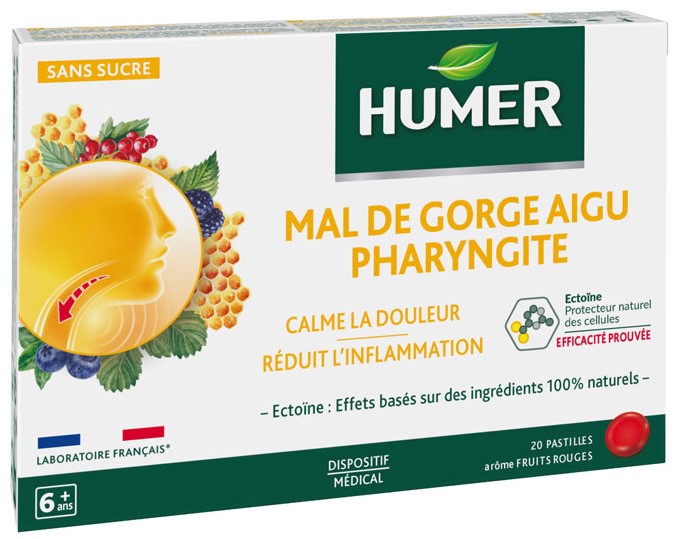
Example with Humer Pharyngite, a medical device marketed by the Urgo Group10: the product’s clinical support is highlighted by strong claims such as reducing pain and inflammation. There is also a clear desire to offer a solution combining the scientific robustness of a medical device with naturalness: “A formula that draws its strength from the synergy between science and nature.”

A medical device can make genuine medical claims, supported by a clinical data required when they are marketed. This scientific and regulatory validation reassures consumers who are increasingly seeking proof of efficacy and safety.

Prevention and traditional use in selfcare: the benefits of food supplements

Food supplements, on the other hand, meet strong expectations in terms of prevention and staying in good health: seasonal immunity, digestive comfort, stress management, or skin beauty, among other things. Their value lies in the diversity of ingredients they offer: vitamins, minerals, fatty acids, but also plants whose traditional use benefits from long-standing experience. Whereas the medical device acts directly on symptoms,  food supplements generally act at an earlier stage, helping to limit the onset of disorders. They can fulfil its primary function of creating an environment conducive to long-term well-being, but also take over afterwards, facilitating recovery following a symptomatic episode.

Supplements and devices: useful differences and strong synergies supporting selfcare

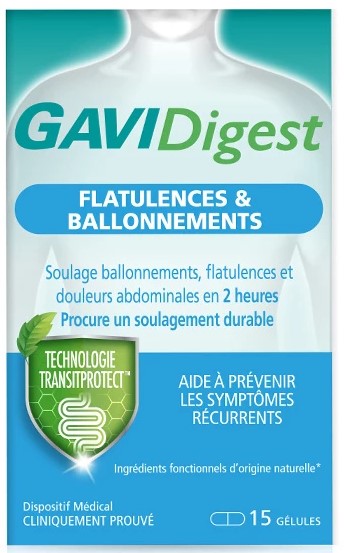
The example of GaviDigest perfectly illustrates the specific positioning of medical devices within the digestion sector. Developed by Reckitt Benckiser, this selfcare product designed to combat flatulence and bloating claims rapid efficacy within two hours, based on TransiProtect® technology.11 This technology forms a protective layer on the intestinal walls, providing a mechanical action that soothes, strengthens and restores to limit the recurrence of symptoms. The formula, composed of tamarind seeds and pea proteins, is supported by clinical validation.

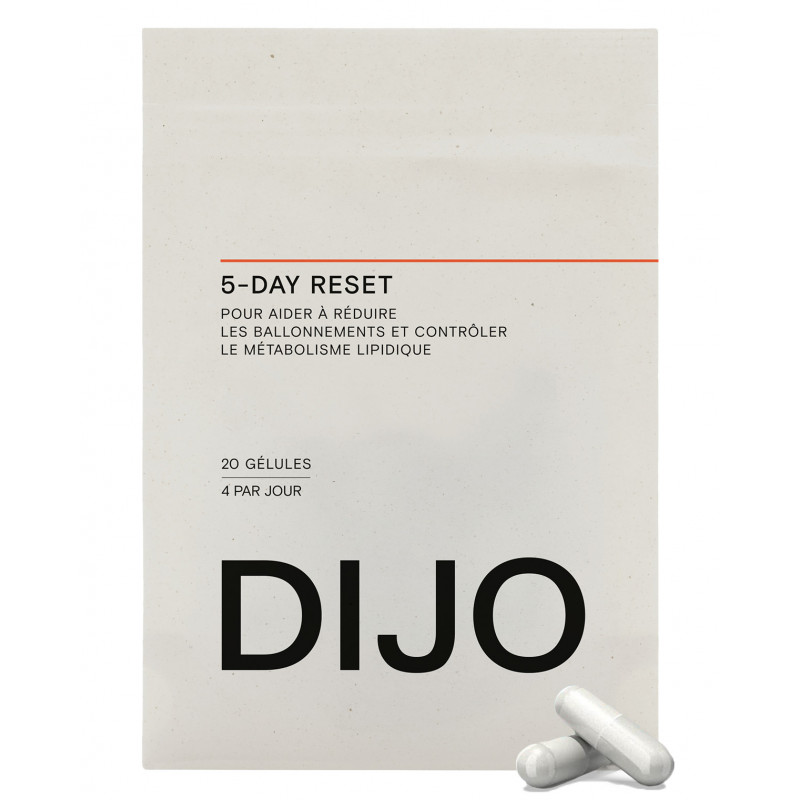
Based on  the same indication, the 5-Day Reset food supplement from the digital brand Dijo makes claims such as “helps reduce bloating”.12 Its claimed efficacy is based not on a mechanical action, but on the use of ingredients traditionally recognised for promoting good intestinal transit, notably caraway and fennel, combined with carbo activated charcoal.

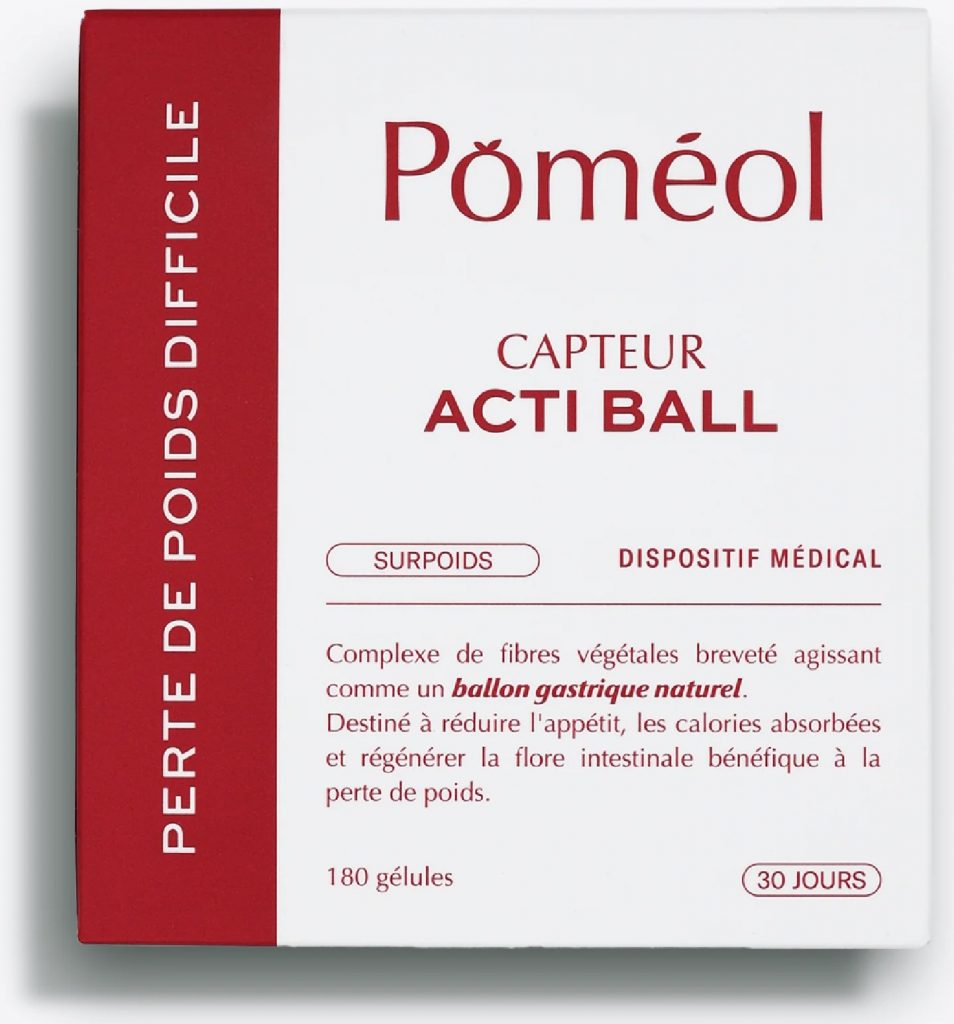
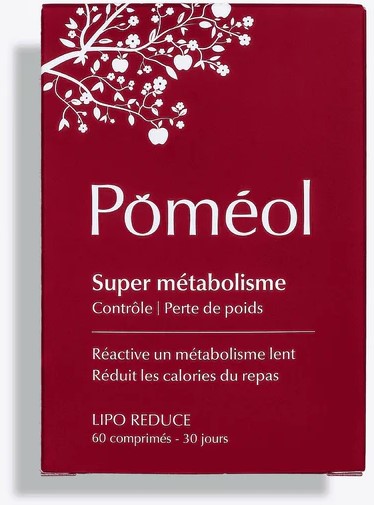
In the weight management sector, a medical device based on adsorbent fibres targets the reduction of lipid and carbohydrate intake through a physical effect, while a food supplement addresses nutritional and metabolic balance. An example can be seen with the two complementary solutions by Pomeol13: the Acti Ball® Fat Binder (a medical device composed of plant fibres) and the Super Metabolism food supplement (containing vitamins B2 and B6, dandelion, and chromium).

Medical device – weight loss
Metabolism booster

Same indication, different promises, complementary benefits.


Let’s build together the selfcare range that will make a difference

In a booming selfcare market, the success of a brand depends on the consistency and relevance of its product range strategy. Food supplements and medical devices are not in opposition: they complement one another and each in their own way, offer solutions in line with consumer expectations.

The key challenge lies in defining the most relevant combination according to the product range’s target  and positioning. It is precisely in this strategic reflection that BOTANIBRANDS intervenes, bringing its dual expertise in food supplements and medical devices.

We support brands at every stage to:

  • Define the optimal product range strategy based on market positioning and target expectations.
  • Provide medical devices for in-licensing, turnkey solutions for rapid market access.
  • Conduct technical and regulatory due diligence of medical devices to secure their integration into a brand portfolio and their market release.

Would you like to transform your ideas into high-performing selfcare solutions?

Contact us today!

Focus on oral medical device classes (EU)

General principle: classification (I to III) depends on the level of risk. The higher the risk, the greater the clinical and regulatory requirements prior to CE marking.
Class I: low risk, such as non-invasive devices with local mechanical action.
Examples: dental accessories (mouthguards, protectors), classic dressings.
Class IIa: moderate potential risk, such as invasive devices for temporary (<60 min) or short-term use (<30 days).
Examples: film-forming throat sprays or lozenges for irritated throats, oral gels for mouth ulcers or dryness, cough syrups, or intestinal wall protective films (e.g. GaviDigest) intended for the treatment of intestinal disorders.
Class IIb: significant potential risk, such as invasive devices for long-term use (>30 days) or those that locally interact with the digestive function.
Examples: fat- or fibre-binding devices for the treatment of obesity, preparations containing kaolin or diosmectite for the treatment of diarrhoea.
Class III: high risk, such as implantable devices or long-term invasive devices depending on the part of the body concerned (heart, central nervous system, etc.), or those with a biological effect and devices incorporating a substance similar to a medicinal product — rarer, as they are often reclassified as medicines. These are subject to the strictest controls. Examples: cardiac implants, antibiotic-loaded bone cements, or intrauterine devices (IUDs) containing medicinal substances such as copper or silver.

Sources :

  1. Baromètre NèreS 2024, Les pharmacies au cœur des évolutions de la santé de proximité.
  2. Directive 2002/46/EC of the European Parliament and of the Council of 10 June 2002 on the approximation of the laws of the Member States relating to food supplements
  3. Regulation (EC) No 1924/2006 of the European Parliament and of the Council of 20 December 2006 on nutrition and health claims made on foods
  4. TeleIcare : déclaration en ligne de mise sur le marché d’un complément alimentaire https://entreprendre.service-public.fr/vosdroits/R44574
  5. Regulation (EU) 2017/745 of the European Parliament and of the Council of 5 April 2017 on medical devices, amending Directive 2001/83/EC, Regulation (EC) No 178/2002 and Regulation (EC) No 1223/2009 and repealing Council Directives 90/385/EEC and 93/42/EEC (Text with EEA relevance. )
  6. MDR – Article 61 – Clinical evaluation
  7. MDR – Article 7 – Claims
  8. Baromètre 2024 de la consommation des compléments alimentaires en France, Toluna, Harris et Synadiet
  9. Consumer survey on food supplement in Europe – 2022 Ipsos
  10. https://humer-lagamme.fr/solutions/traitement-et-soin/gorge/humer-pharyngite/
  11. https://www.gavidigest.fr/nos-produits/flatulences-ballonnements/
  12. https://www.dijo.fr/products/5-day-reset
  13. https://pomeol.fr

Our references

© 2025 BOTANIBRANDS